
Introduction: Advanced window protection films using multi-layer sputtering block up to 90% of infrared heat, enhancing comfort, safety, and energy efficiency in Las Vegas buildings.
On a sweltering summer afternoon in Las Vegas, a building manager watches as tenant complaints about rising indoor temperatures flood in. Despite high-powered air conditioning, occupants struggle with discomfort and skyrocketing energy bills. The culprit isn’t just the desert sun but the heat and harmful rays penetrating the glass. Enter the solution: an advanced window protection film designed to block infrared heat effectively. This subtle yet powerful addition creates a more comfortable environment, cutting cooling demand while safeguarding interiors. In bustling commercial and work environments, such innovations are transforming how spaces stay cool, safe, and efficient.
Multi-layer Sputtering Technology Applications in Commercial Window Films
At the heart of the latest window protection film innovations lies multi-layer sputtering technology, a sophisticated process that deposits ultra-thin layers of metal and ceramic materials to achieve high performance. This technology imbues the film with remarkable durability, clarity, and strength while maintaining excellent infrared rejection rates. In commercial settings, where large glass facades face continuous solar exposure, films utilizing this method can block up to 90 percent or more of near-infrared rays, the main driver of heat buildup inside buildings. For building managers, this means significantly reduced interior heat gain, allowing HVAC systems to operate more efficiently and occupants to enjoy a more stable, comfortable climate. The multi-layer sputtered film also delivers superior resistance against scratches and environmental wear, ensuring longevity in high-traffic or urban areas. Coupled with impressive ultraviolet rejection, these films protect both people and furnishings from fading and damage. A window protection film featuring multi-layer sputtering balances light transmission and heat rejection options, making it adaptable across various architectural designs and aesthetic requirements. This technological breakthrough broadens the appeal of protective films beyond single applications to encompass entire building envelopes, reshaping how commercial properties handle solar control.
Anti-Shatter Protection Benefits for Safety and Security in Work Environments
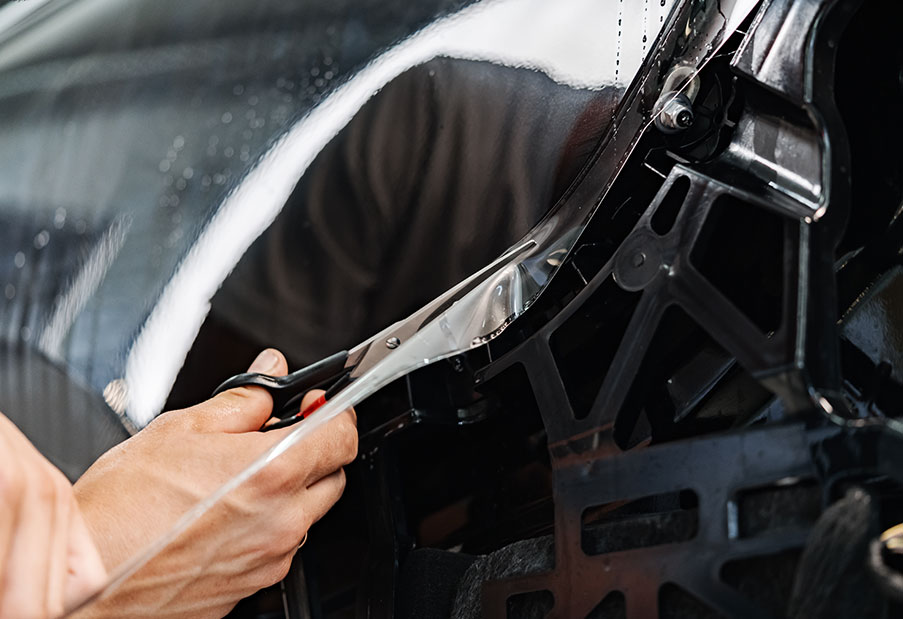
Safety concerns in workplaces with extensive glazing are a persistent challenge, as glass can shatter under impact, creating hazards for employees and visitors alike. Point protection film plays an essential role in reinforcing windows to withstand shocks or accidental impacts, reducing the risk of dangerous shards during incidents. The anti-shatter qualities in specific window protection film designs add a vital layer of resilience, transforming fragile glass into a composite barrier that holds fragments securely in place. This protective function is particularly valuable in environments requiring enhanced security measures or those vulnerable to accidents or severe weather. Beyond the obvious injury prevention benefits, an anti-shatter film provides peace of mind by preserving the structural integrity of windows during emergencies, contributing to safer evacuation routes and minimizing damage costs. With this film installed, routine daily operations continue uninterrupted, and potential liability concerns diminish substantially. For industries prioritizing employee protection and regulatory compliance, such as healthcare facilities, schools, and manufacturing plants, incorporating point protection film fortifies windows to meet exacting standards while maintaining transparent aesthetics. These films extend safety beyond mere visibility, integrating seamlessly into the workplace to safeguard people and property alike.
Heat Dissipation Mechanisms and Their Role in Reducing Cooling Costs
In regions even as warm as Las Vegas, controlling indoor temperatures without excessive energy consumption is crucial for comfort and sustainability. Window protection film that incorporates efficient heat dissipation mechanisms addresses this challenge by not only blocking heat but also facilitating the dispersion of residual thermal energy. This reduces the amount of heat transferred into interior spaces, directly impacting the workload placed on cooling systems. Through selective absorption and emission properties, such films redirect infrared radiation away from buildings, preventing heat from accumulating on window surfaces. This subtle heat management lessens the reliance on air conditioning, contributing to lower utility expenses while extending the lifespan of mechanical equipment. The synergy between heat rejection and dissipation creates a more balanced indoor environment where temperatures remain steadier during peak sunlight hours. For property managers concerned with operational budgets and environmental impact, a high-quality window protection film presents a straightforward approach to improve building performance. Furthermore, by maintaining cooler interior conditions, the film supports occupant comfort and productivity, two factors vital to commercial success. This smart thermal regulation enhances not only the building envelope but also the overall experience of those inside, marrying efficiency with everyday wellbeing.
Taking into account the multifaceted roles of advanced window protection film, its integration into modern buildings stands out as a thoughtful response to climate, safety, and energy challenges. The multi-layer sputtering technology ensures long-lasting performance and effective heat control, while anti-shatter features deliver critical safety advantages. Additionally, heat dissipation capabilities contribute to cost-effective climate management. Together, these attributes enable this type of film to meet diverse needs across residential and commercial sectors. When seeking to improve comfort and security while managing environmental impact, incorporating point protection film into window systems remains a reliable, adaptable choice that continues to evolve with technological progress.
References
- Window Film | QUAD Film US – Advanced window protection film with multi-layer sputtering technology.
- EV Sunroof PPF | QUAD Film US – Sunroof protection film with heat reflection and anti-breaking features.
- Paint Protection Film (PPF) | QUAD Film US – Durable paint protection film with self-healing properties.
- Color PPF | QUAD Film US – Color paint protection film combining aesthetics and durability.
- Mastering Heat Control with QUAD’s Advanced Window Film Solutions – Article on advanced window film solutions for heat control.